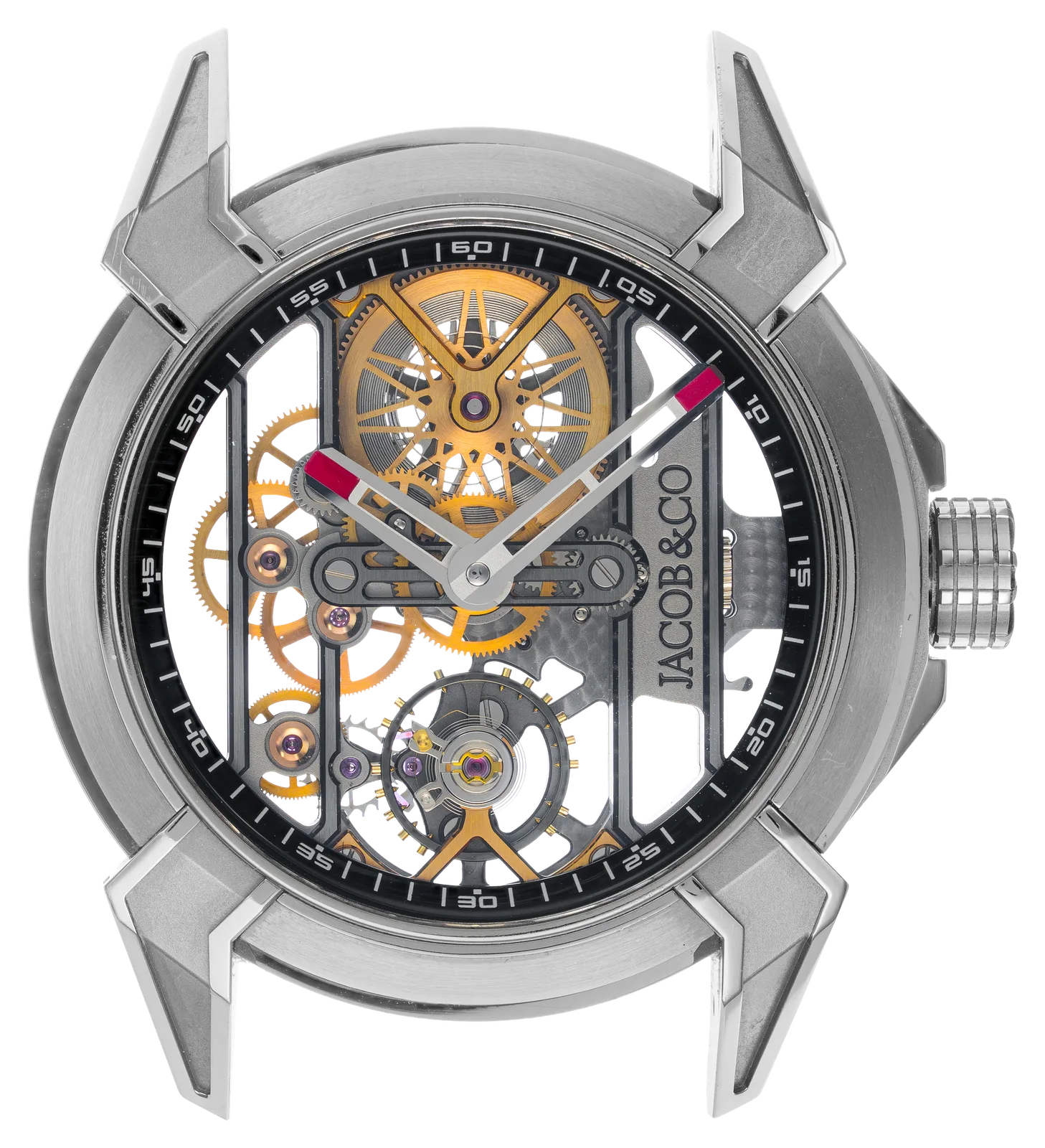
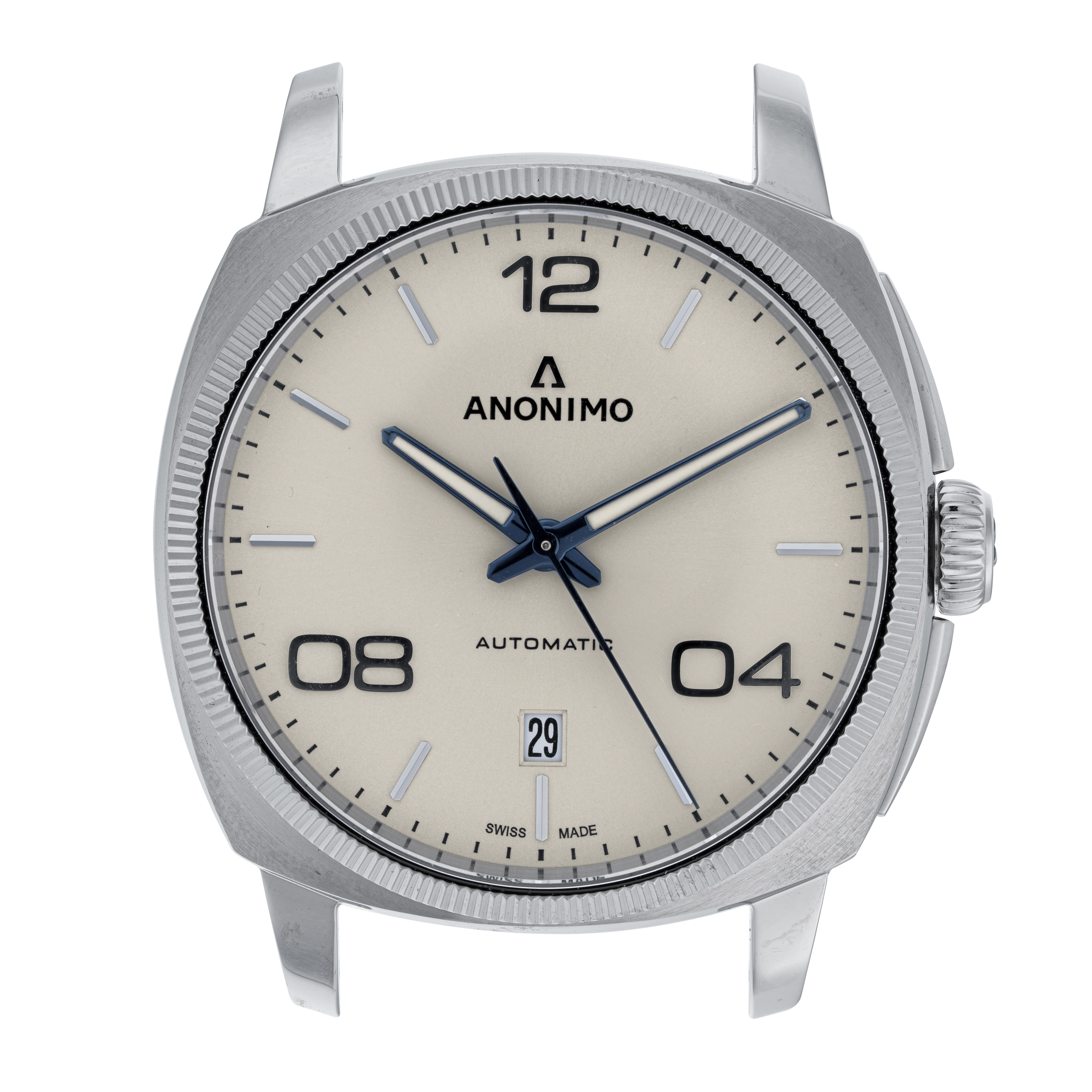
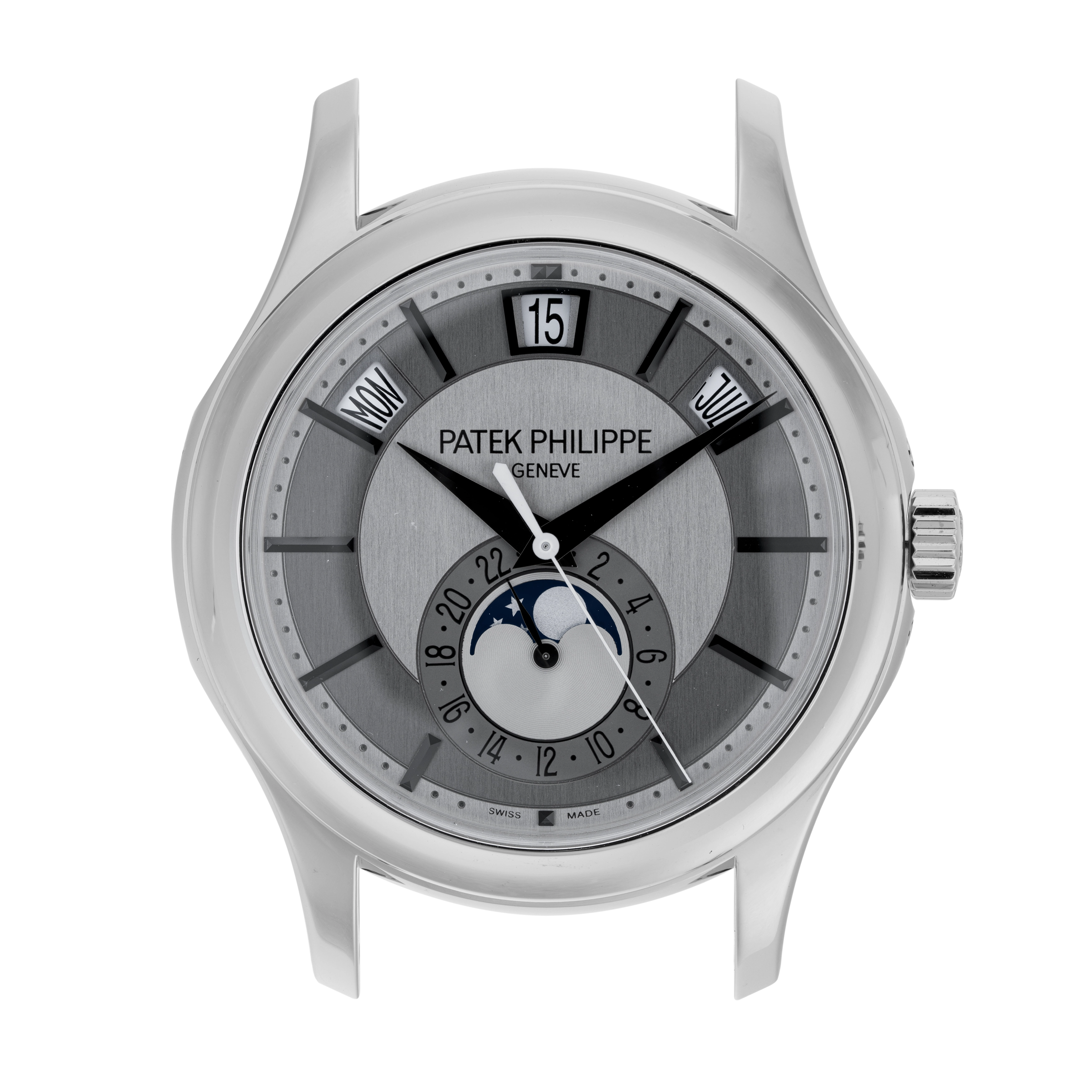
Une montre arrive à l’atelier. Avant même d’ouvrir le fond, avant de défaire la couronne, avant de toucher au mouvement, nous la posons sur le chronocomparateur. Marche, amplitude, battement : trois chiffres relevés en cinq positions. Le tout consigné dans le dossier de la pièce. C’est seulement après que commence la révision proprement dite.
Cette étape passe souvent à la trappe sur le marché de l’occasion. La montre est rachetée, parfois nettoyée, et remise en vente. Le client n’a aucun chiffre devant lui. Il achète sur la foi d’une marque, d’une photo, d’un certificat parfois falsifié. Nous avons fait un autre choix.
Ce qu’un relevé initial révèle
Une montre qui sort du tiroir d’un client présente un comportement précis. Marche à plus 2 secondes par jour ou à moins 8. Amplitude à 285° en horizontale ou à 220°. Isochronisme stable ou non d’une position à l’autre. Ces chiffres racontent une histoire que l’œil ne voit pas.
Une amplitude basse en horizontale signe une huile vieillie ou un balancier qui frotte. Une marche très négative en position couronne en bas indique souvent un échappement encrassé. Un isochronisme dégradé entre 6H et 12H peut révéler un spiral qui touche, un piton mal réglé, un point dur dans la chaîne cinématique. Aucune de ces informations n’est lisible sans la mesure.
Le relevé au dossier
Dans notre protocole, le relevé est photographié, daté, signé. Il rejoint le dossier physique de la pièce, le même que celui que reçoit l’acheteur final. Quand la révision est terminée, nous procédons à un second relevé, dans les mêmes conditions, et nous archivons aussi celui-ci. Le client voit donc le point de départ et le point d’arrivée : ce que la montre faisait avant intervention, ce qu’elle fait après.
Cette traçabilité change la conversation. On ne dit plus « elle a été révisée ». On dit « elle est passée de telle marche à telle marche, telle amplitude à telle amplitude ». C’est un autre niveau d’engagement.
La discipline du chiffre
Nos horlogers travaillent depuis plus de vingt ans pour les grandes maisons horlogères genevoises. Là-bas, chaque pièce passe par cette même rigueur. Le chronocomparateur n’est pas un outil de communication, c’est un outil de travail. Mesurer avant de démonter, c’est savoir où on part. Mesurer après, c’est savoir où on est arrivé.
C’est ce que nous appliquons sur chaque montre que nous mettons en vente. Sans exception.
A watch arrives at the workshop. Before opening the caseback, before unscrewing the crown, before touching the movement, we place it on the timegrapher. Rate, amplitude, beat: three figures measured in five positions. All entered in the piece’s dossier. Only then does the actual servicing begin.
This step is often skipped in the pre-owned market. The watch is purchased, sometimes cleaned, and put back on sale. The client has no figures before them. They buy on the strength of a brand, a photo, occasionally a falsified certificate. We made a different choice.
What an initial reading reveals
A watch coming out of a client’s drawer behaves in a specific way. A rate of plus 2 seconds per day, or minus 8. Amplitude at 285° horizontal, or 220°. Isochronism stable from one position to another, or not. These figures tell a story the eye cannot see.
Low horizontal amplitude points to aged oil or a balance rubbing somewhere. A heavily negative rate in crown-down position usually indicates a clogged escapement. Isochronism degraded between 6H and 12H can reveal a hairspring touching, a stud badly adjusted, a hard point somewhere in the kinematic chain. None of this is readable without measurement.
The reading in the dossier
In our protocol, the reading is photographed, dated, signed. It joins the physical dossier of the piece, the same one the final buyer receives. Once servicing is complete, we take a second reading under the same conditions, and we archive that one too. The client therefore sees the starting point and the arrival point: what the watch was doing before the intervention, what it does after.
This traceability changes the conversation. We no longer say “it has been serviced”. We say “it went from this rate to that rate, this amplitude to that amplitude”. A different level of commitment.
The discipline of numbers
Our watchmakers have spent over twenty years working for the leading Geneva watchmaking houses. There, every piece goes through this same discipline. The timegrapher is not a communication tool, it is a working tool. Measuring before disassembling means knowing where you start. Measuring after means knowing where you ended up.
This is what we apply to every watch we put on sale. Without exception.